Maltron BioScan touch i8 Nano
Non-invasive body composition and fluid assessment for premature infants and children
Calibrated from 23 weeks’ gestation to 18 years, BioScan touch i8 Nano uses bioelectrical impedance to estimate tissue composition and fluid distribution at the bedside, helping clinicians determine whether changes in weight reflect growth, nutritional status or fluid accumulation.
BioScan touch i8 Nano uses bioelectrical impedance analysis through surface electrodes. A low-level electrical signal passes through the body, while differences in fluid, lean tissue, fat and cell membranes generate resistance and reactance data. These raw measurements are used to derive phase angle and estimate tissue composition and body-water compartments.
Its key innovation is a dedicated calibration spanning 23 weeks’ gestation to 18 years, combined with Maltron’s fully integrated AI calibration system. The platform brings impedance-derived body composition, hydration, cellular indicators and age-related growth data together in one longitudinal assessment.
Explore three distinct clinical applications of BioScan touch i8 Nano:
- Growth & Nutritional Status – Assess tissue growth, body composition and nutritional status beyond weight and BMI.
- Hydration & Fluid Balance – Evaluate fluid distribution, excess fluid and dehydration across body water compartments.
- Renal & Dialysis Management – Follow fluid status before, during and after renal therapy.
Designed for rapid, repeatable assessment at the bedside:
- Non-invasive assessment using surface electrodes
- Testing completed within seconds
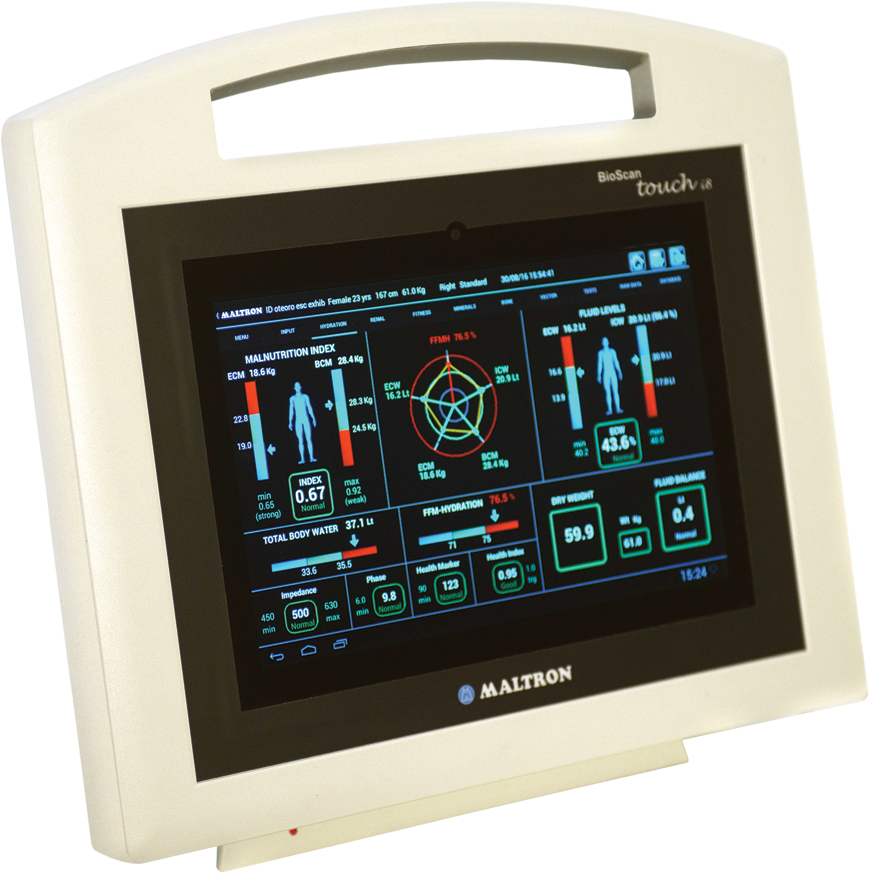
- 10.1-inch HD multi-touch display
- Automatic alerts for electrode contact or cable issues
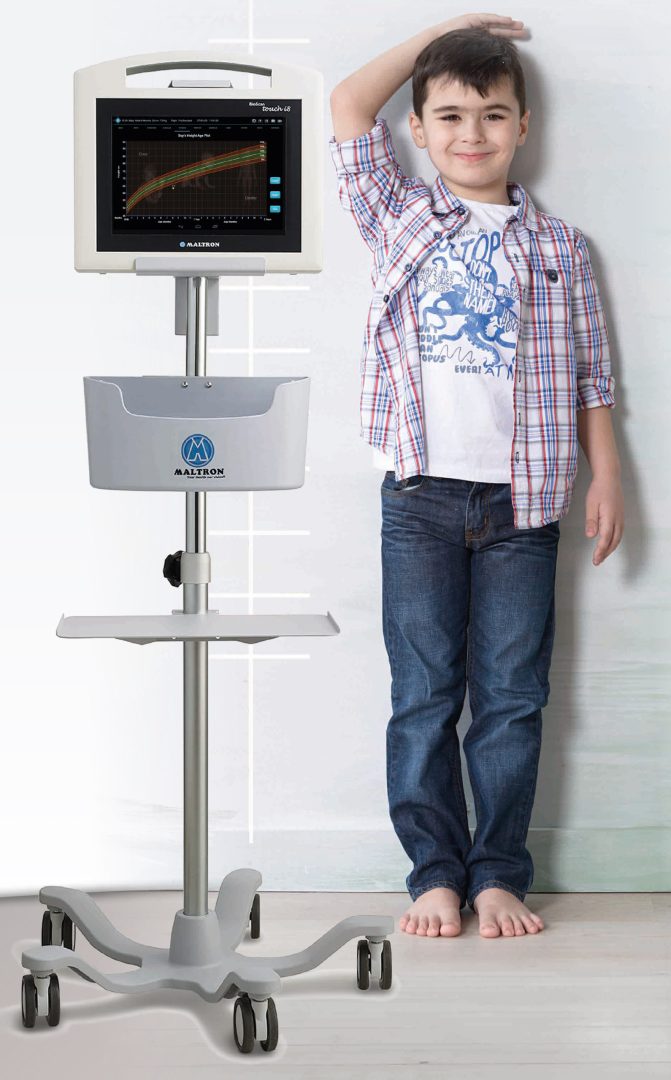
- Graphical trends and historical patient data
- No blood sampling, radiation or patient transport