Sedaconda ACD
Inhaled ICU Sedation Through Conventional Ventilator Circuits With Anaesthetic Agent Reflection
Inhaled sedation offers an alternative to prolonged intravenous sedation, but conventional ICU ventilators are not designed to deliver volatile anaesthetic agents.
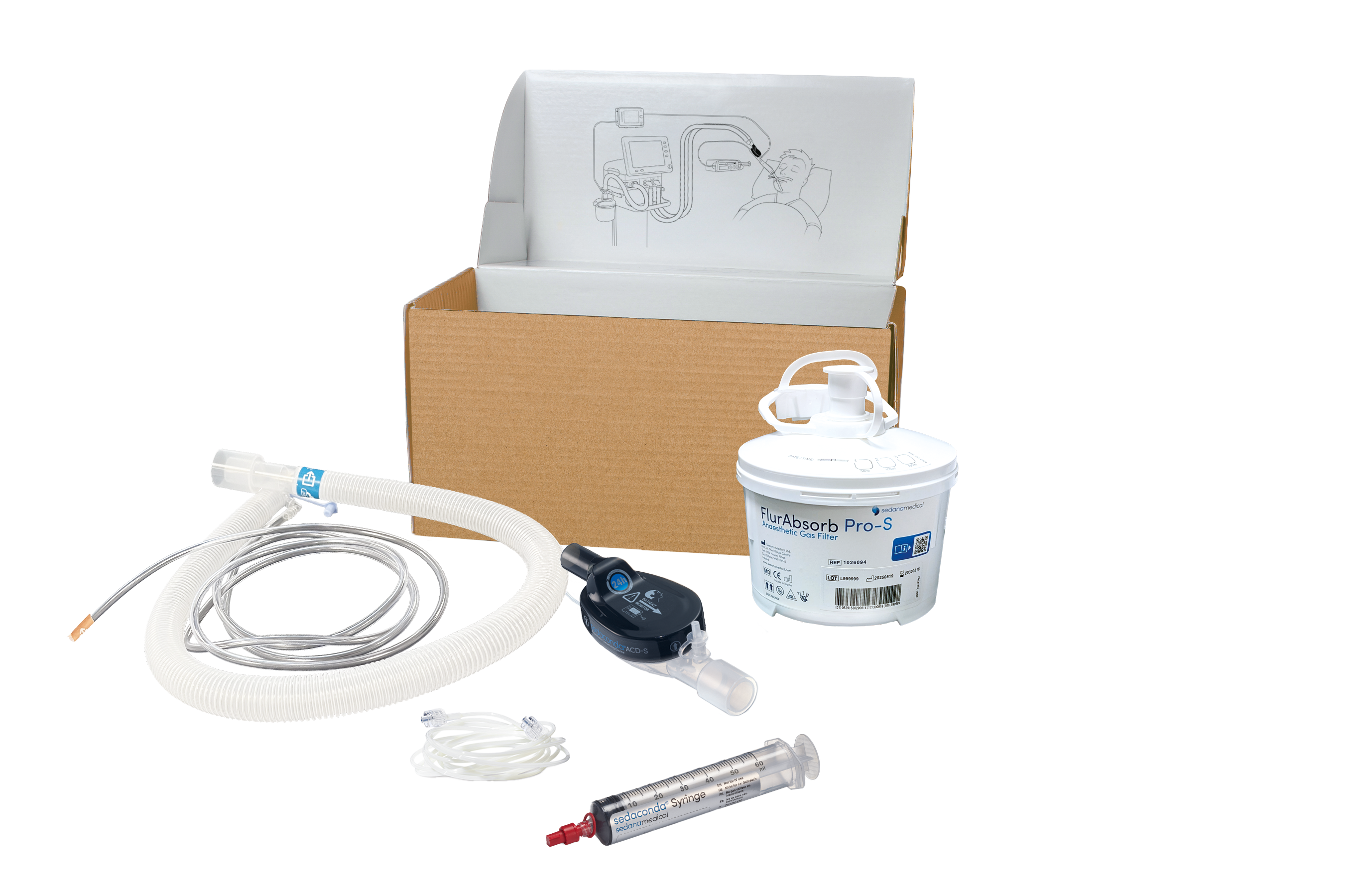
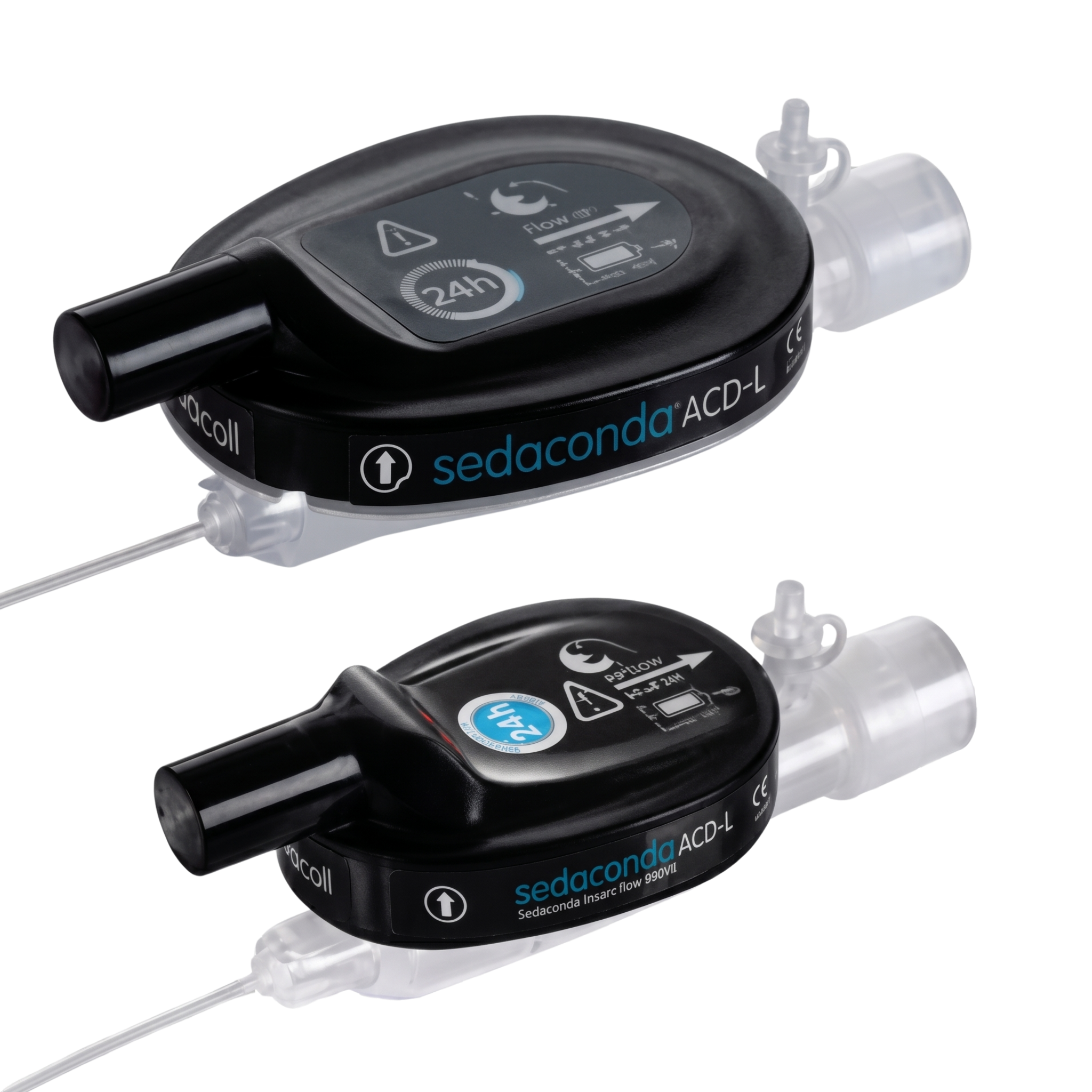
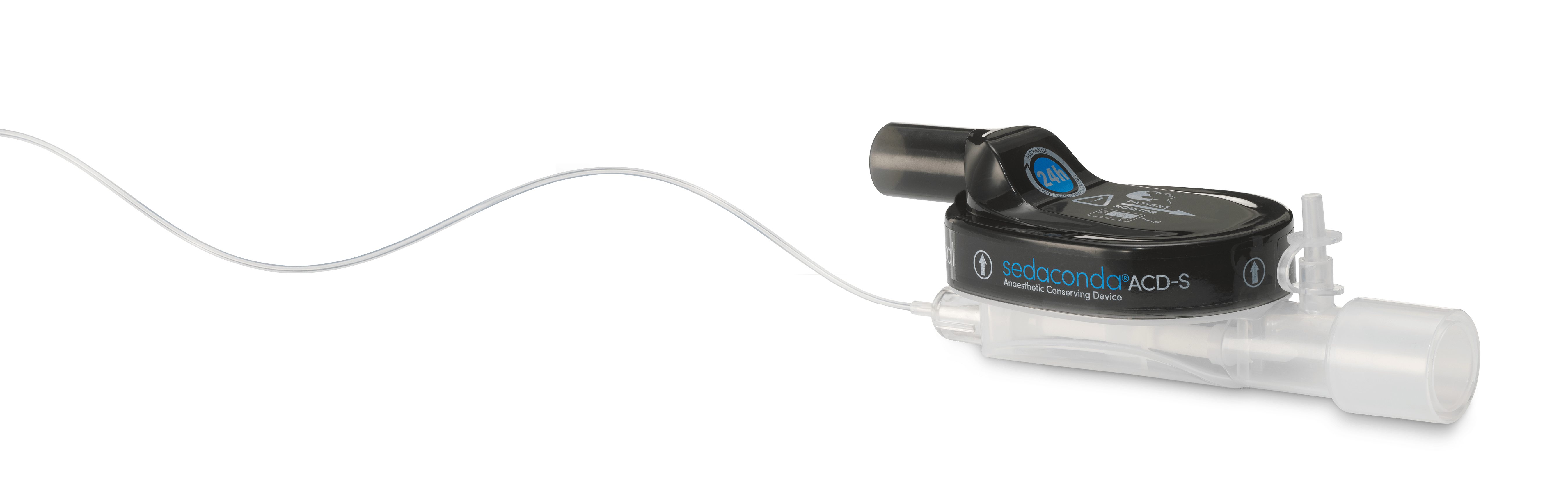
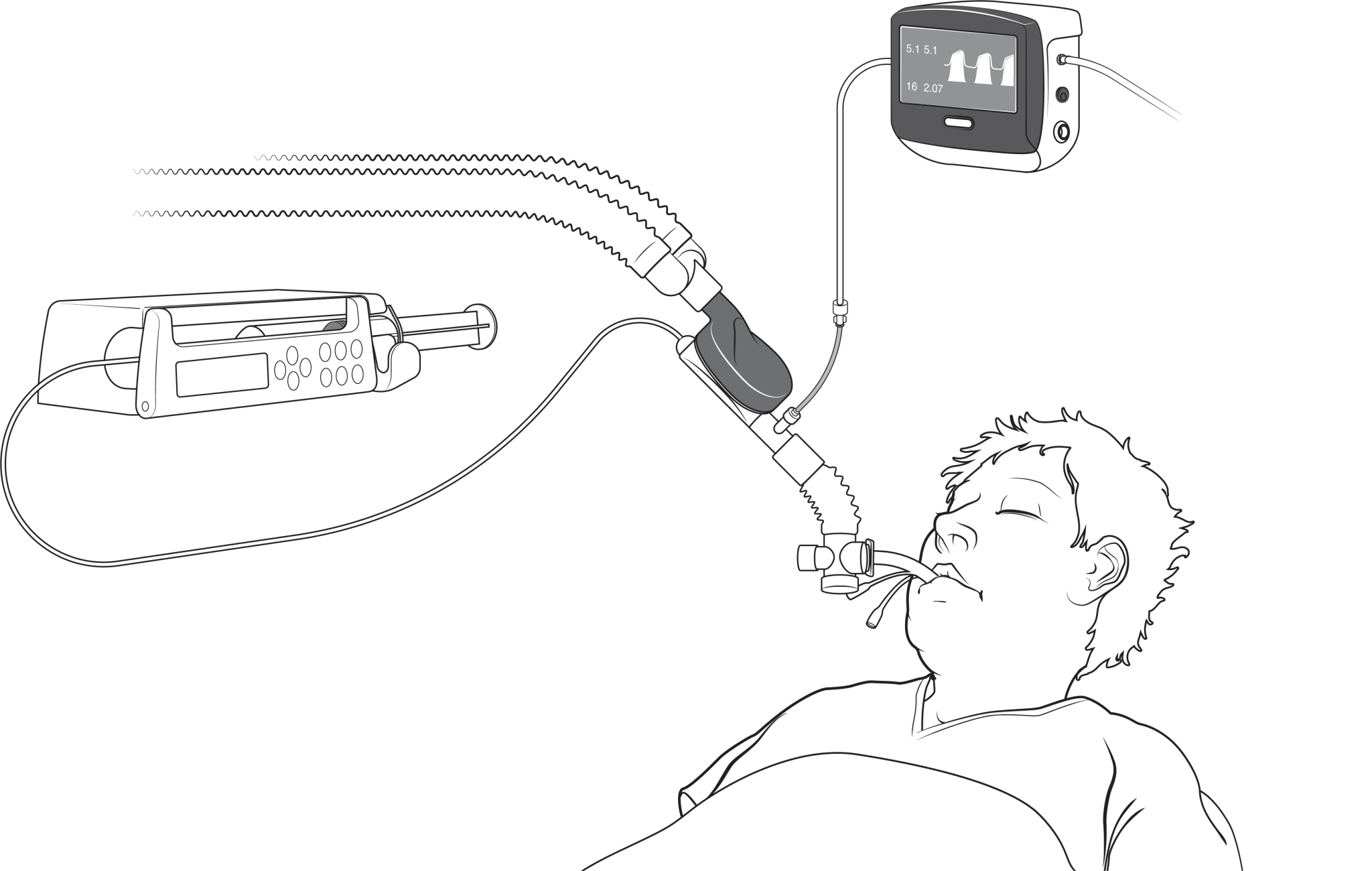
Sedaconda ACD-S is placed between the endotracheal tube and Y-piece, where it vaporises isoflurane or sevoflurane and normally reflects 88% of the exhaled agent back to the patient during the next inspiration. It also functions as a heat and moisture exchanger and bacterial and viral filter.
- Predictable awakening – Rapid offset of isoflurane supports timely sedation interruption.
- Reduced opioid exposure – Intrinsic analgesic effect lowers opioid requirements.
- Haemodynamic stability – Avoids high-dose IV sedation cardiovascular effects.
- Bronchodilation – Supports ventilation in patients with reactive airways.
- Organ protection – Associated with cardiac and renal protective effects in prolonged sedation.
- Shorter ICU recovery – Supports earlier return to spontaneous breathing and discharge.
- Integrates into standard ICU ventilator circuits without modification.
- Closed reflective membrane reduces anaesthetic loss and environmental exposure.
- No electrical components – suitable for MRI and CT environments.
- Low dead space – compatible with low tidal volumes.
- Single-use device with integrated filtration.
- NICE-recommended as an option for ICU sedation delivery across 18 European countries.
Used for sedation of mechanically ventilated ICU patients where rapid awakening, reduction in opioid exposure, or avoidance of IV sedative accumulation is clinically relevant. Enables volatile sedation with isoflurane within a standard ventilator circuit, including patients with reactive airways or prolonged sedation needs.